Category: Roofing Contractor
Factors Influencing Roof Lifespan: What Homeowners Should Know
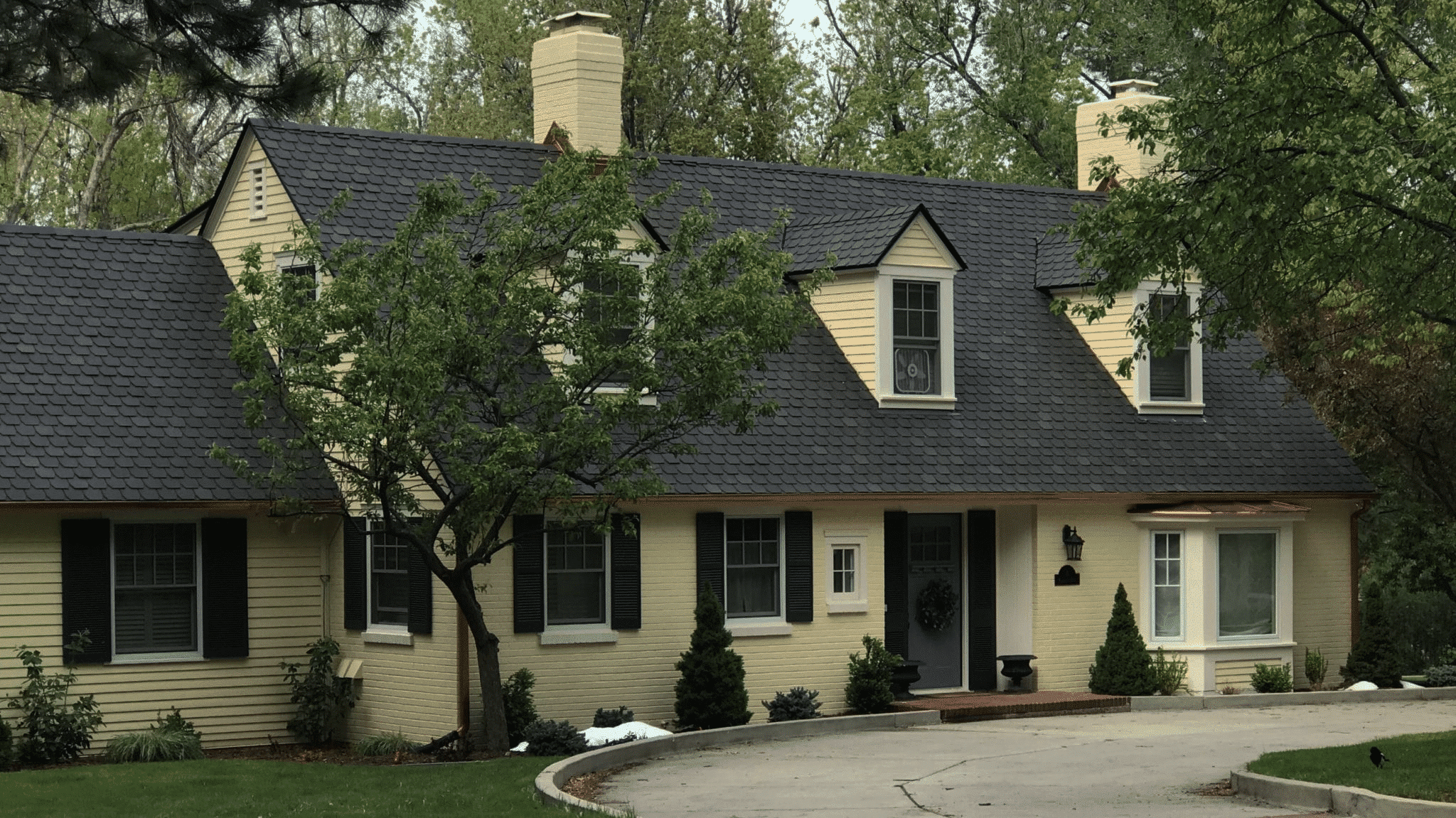
Staring at a rapidly spreading brown water stain on your living room ceiling during a torrential downpour is a nightmare for any homeowner. The intense pressure to fix this immediately is a massive pain point for folks who feel overwhelmed by sudden home repairs. You need to fully understand the factors influencing roof lifespan to Read more
Roofing Solutions for Commercial Buildings That Last Decades, Not Years

As a business owner or property manager in the United States, your daily to-do list is absolutely endless. The very last thing you need is a failing roof shutting down your daily operations. Over our experience in the construction industry, we have learned that finding reliable roofing solutions for commercial buildings is the single most Read more
Ice and Water Shield Roofing: Complete Guide to Protection, Installation, and Benefits
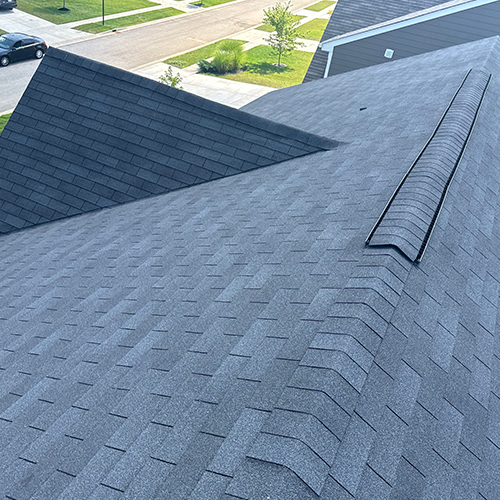
Waking up to water dripping from your ceiling is a homeowner’s worst nightmare. A sudden freeze and quick thaw can easily cause a massive ice dam in your gutters. That trapped water will quickly destroy your drywall and soak your expensive insulation. This exact scenario is why ice and water shield roofing is essential for Read more
How much does a Commercial Roof Inspection Cost

Running a commercial property is demanding enough without roof leaks disrupting your business. Your exact commercial roof inspection cost is typically $200 to $600 for a basic walkthrough or $0.02 to $0.10 per square foot. Your flat roof is the very first line of defense against severe weather and structural decay. Because it sits completely Read more
Roof Ventilation Problems in Kentucky Homes: Signs Your Attic Is Damaging Your Roof
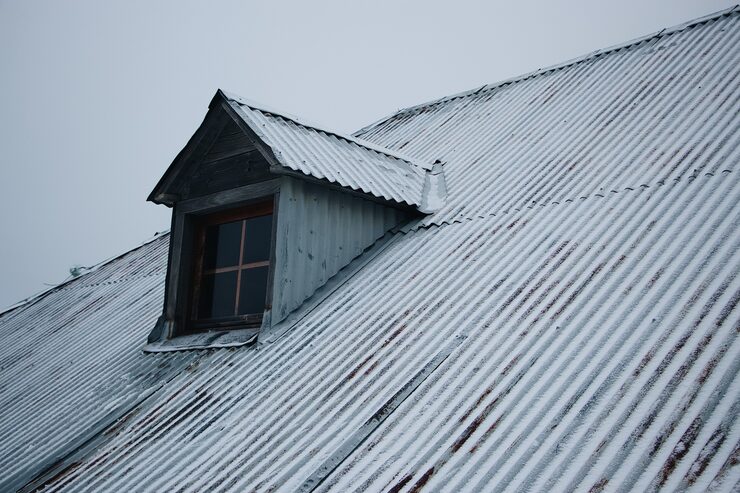
If you live in Kentucky, you know that our weather is anything but predictable. We go from the stifling, heavy humidity of a July afternoon in the Ohio River Valley to sudden, bone-chilling ice storms in January. As homeowners in Louisville, we spend a lot of time worrying about our air conditioners during the summer Read more
What Every Louisville Homebuyer Should Know About Roof Inspections

Buying a home in Louisville is an exciting milestone, but let’s be real: it’s also one of the most stressful experiences you’ll ever go through. Whether you’re falling in love with a historic Victorian in Old Louisville, a mid-century ranch in St. Matthews, or a brand-new build in the East End, your mind is likely Read more
Roofing Materials Compared: Asphalt Shingles vs. Metal vs. Tile for Kentucky Weather
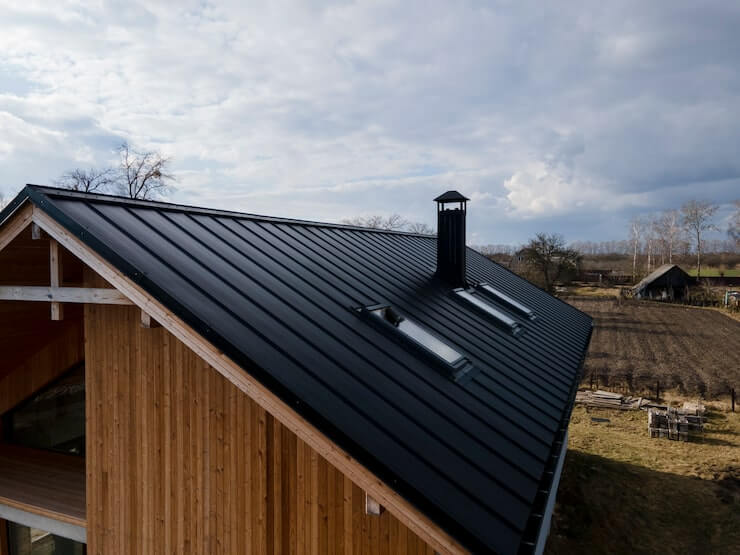
If you’ve lived in Louisville for more than a week, you know the old saying: “If you don’t like the weather, just wait fifteen minutes.” Here, our roofs take a beating that would make a Florida bungalow or an Arizona ranch house crumble. We get it all, suffocating humidity in July, sudden spring tornadoes, ice Read more
How to Prepare Your Roof for Winter & Summer

Living here in Louisville, we really do get the best of both worlds, don’t we? We have those gorgeous, blooming springs and the rich colors of fall that make driving down River Road a treat. But, let’s be real for a second, we also get the extremes. One minute you’re cranking the AC to combat Read more
How Long Should Your Roof Last in Louisville?
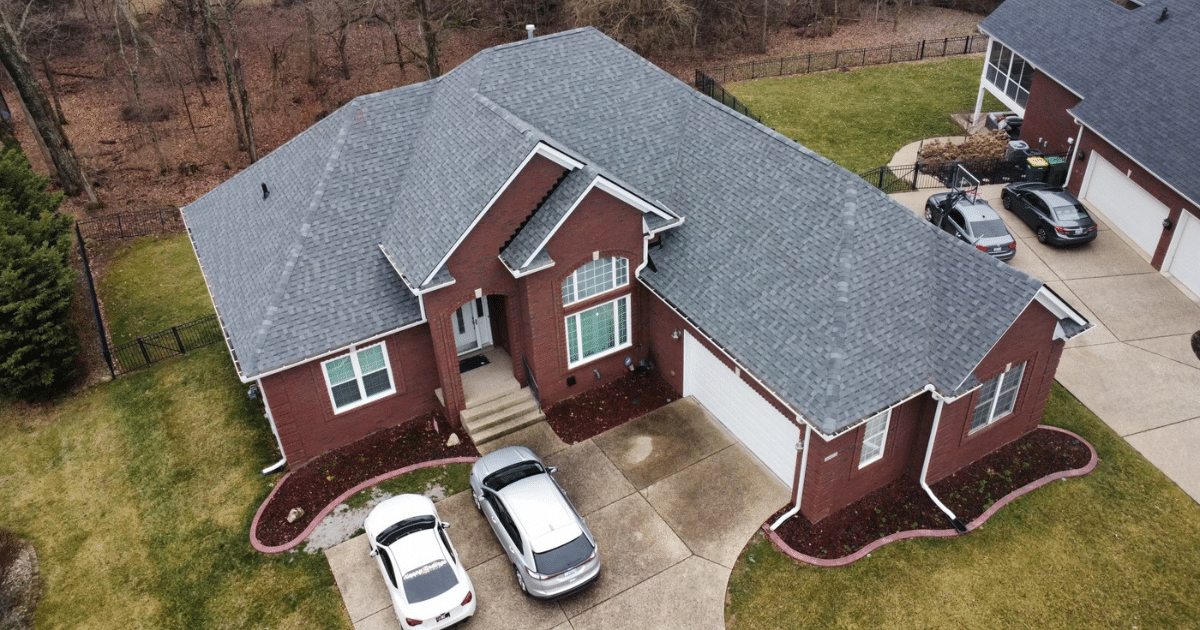
Let’s be honest for a second, nobody wakes up on a beautiful Saturday morning in Louisville, grabs a cup of coffee, and thinks, “Boy, I can’t wait to buy a new roof today.” It’s just not that kind of purchase. It’s a grudge purchase. You buy a roof because you have to, not because it’s Read more
The Ultimate 2026 Guide to Roof Replacement Costs in Louisville, KY
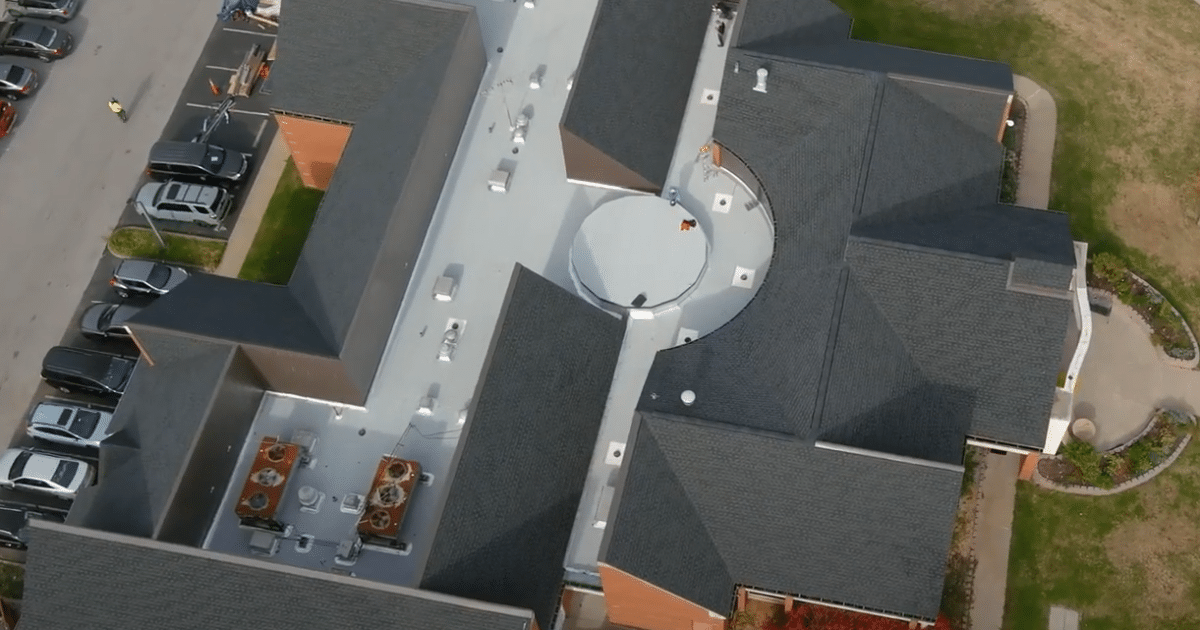
Let’s be honest for a second, nobody wakes up on a Tuesday morning, sips their coffee, and thinks, “Man, I really can’t wait to drop thousands of dollars on a new roof today.” I get it. In my 20 years in this industry, we’ve sat at countless kitchen tables across Louisville, from St. Matthews to Read more